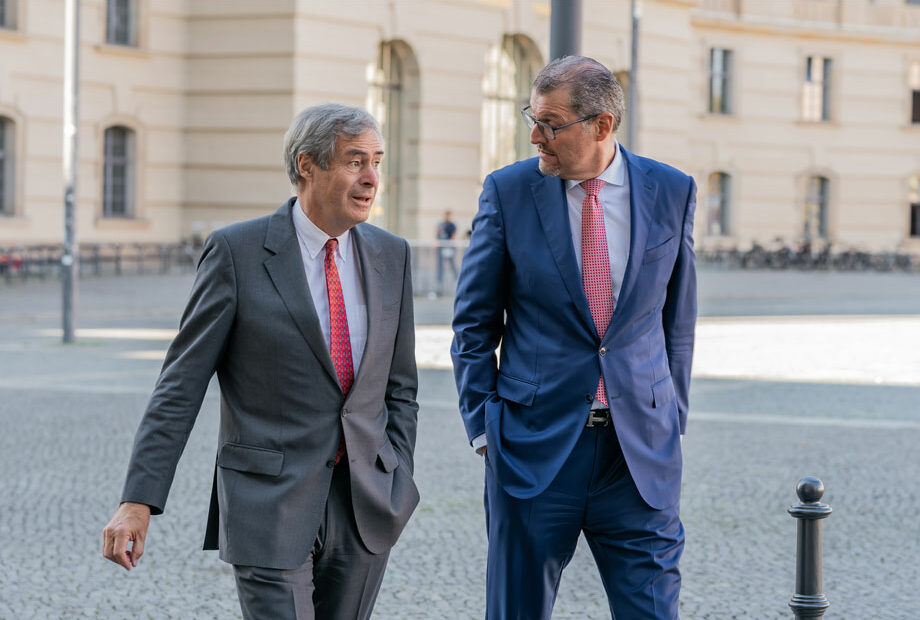


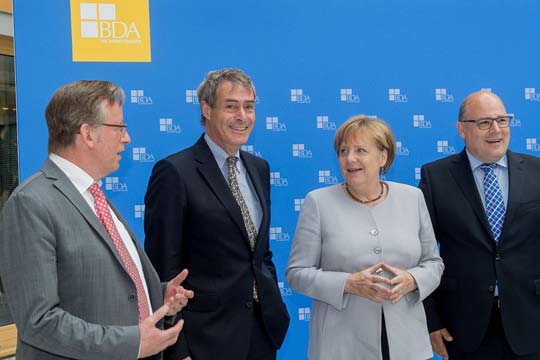





The Confederation of German Employers' Associations is the social policy umbrella organisation for the entire German business community.

Our mission
The Confederation of German Employers' Associations is the leading social policy organisation for the entire German economy. It represents the social and economic policy interests of over 1 million companies with around 20 million employees.
 Mission statement
Statutes
Mission statement
Statutes
You want to become a member or support us as a partner? Simply contact us.

Multiple responsible involved
The BDA represents the interests of the employers' associations in numerous institutions, in responsible and co-shaping functions - at national and international level. The overview shows a selection of the most important institutions.
Antidiskriminierungsstelle des Bundes
Arbeitsgemeinschaft für betriebliche Altersversorgung
Arbeitsgemeinschaft für wirtschaftliche Verwaltung
Ausschuss zur Umsetzung des Nationalen Aktionsplans
Beauftragte der Bundesregierung für die Belange behinderter Menschen
Begleitausschuss und Steuerungsgruppen zum Bundesprogramm des Europäischen Sozialfonds
Beirat der Beauftragten für Migration, Flüchtlinge und Integration der Bundesregierung
Bundesagentur für Arbeit: Verwaltungsrat, Beratender Ausschuss für behinderte Menschen, AZAV-Beirat
Bundesamt für Migration und Flüchtlinge: Beirat für Forschungsmigration
Bundesanstalt für Arbeitsschutz und Arbeitsmedizin
Bundesarbeitsgemeinschaft für Rehabilitation
Bundesarbeitsministerium: Arbeitsgruppe Betriebliche Gesundheitsförderung, Arbeitsstättenausschuss, Ausschuss für Arbeitsmedizin, Beirat für die Teilhabe behinderter Menschen, Betriebssicherheitsausschuss, Tarifausschuss, Forschungsbeirat, Gemeinsamer Heimarbeitsausschuss, Inklusionsinitiative, Arbeitszeitdialog, Beraterkreis Armuts- und Reichtumsbericht, ESF-Sozialpartnerrichtlinie, Beirat „reha- pro“, Ausschuss zum Nationalen Aktionsplan Behindertenrechtskonvention
Bundesfamilienministerium: Beirat für die Vereinbarkeit von Pflege und Beruf, Dialogprozess Einkommensperspektiven für Frauen, Steuerungsgruppe KitaPlus, Steuerungskreis Perspektive Wiedereinstieg, Programmbotschafter „Stark im Beruf – Mütter mit Migrationshintergrund steigen ein“, Beirat „Zielsicher: Mehr Frauen in Führung“, Steuerungskreis POINT- Potentiale integrieren
Bundesforschungsministerium: Zukunft der Arbeit
Bundesvereinigung Prävention und Gesundheitsförderung
Bundeswehr: Arbeitskreis Führungskultur
Demografiestrategie der Bundesregierung
Deutsche Gesellschaft für Personalführung
Deutscher Sozialrechtsverband
Deutsches Institut für Normung
Expertinnen-/Expertenkreis klischeefreie Berufs- und Studienwahl
Forschungsnetzwerk Alterssicherung
Gemeinsame Deutsche Arbeitsschutzstrategie
German Industrial Relations Association
Gesellschaft für Arbeitswissenschaft
Gesellschaft für Europäische Sozialpolitik
Gesellschaft für Sozialen Fortschritt
Gesellschaft für Versicherungswissenschaft und -gestaltung: ständige Ausschüsse Arbeitsmarkt, Gesundheit und Pflege, Europa
Industrie-Hilfsverein
Industrie-Pensions-Verein
Initiative Gesundheit und Arbeit
Initiative Neue Qualität der Arbeit
Institut für angewandte Arbeitswissenschaft
IT-Gipfel-Plattform „Digitales Arbeiten“
Kommission Arbeitsschutz und Normung
Künstlersozialkasse
Nationale Arbeitsschutzkonferenz
Netzwerkbüro Erfolgsfaktor Familie
Nationale Präventionskonferenz
Mindestlohnkommission
Partnerschaft für Fachkräfte in Deutschland
Pensions-Sicherungs-Verein auf Gegenseitigkeit
Rationalisierungs- und Innovationszentrum der Deutschen Wirtschaft
REFA Bundesverband e. V./Verband für Arbeitsgestaltung, Betriebsorganisation und Unternehmensentwicklung
REHADAT – Informationssystem zur beruflichen Rehabilitation
Sozialbeirat – Beratungsgremium für die gesetzgebenden Körperschaften und die Bundesregierung
Stiftung für das behinderte Kind
Unternehmens-Netzwerk INKLUSION
UnternehmensWert:Mensch
Verband deutscher Sicherheitsingenieure
Verein Deutscher Ingenieure
Versorgungsverband deutscher Wirtschaftsorganisationen
B20: Employment and Education Task Force
Begleitkommission zum Europäischen Sozialfonds
Beratender Ausschuss der EU für Arbeitnehmerfreizügigkeit
Beratender Ausschuss der EU für Sicherheit und Gesundheit am Arbeitsplatz
Beratender Ausschuss für Berufsbildung der EU
Bologna Follow-up Group
BUSINESSEUROPE
Cedefop Europäisches Zentrum für die Förderung der Berufsbildung
CEN European Committee for Standardization
EU-Expertengruppe Arbeitsmigration
Europäische Stiftung zur Verbesserung der Lebens- und Arbeitsbedingungen
Europäische Agentur für Sicherheit und Gesundheit am Arbeitsplatz
Europäischer Wirtschafts- und Sozialausschuss
International Labour Organization
International Organisation of Employers
Internationale Vereinigung für Soziale Sicherheit
The Business and Industry Advisory Committee to the OECD
Arbeitsgerichte, Landesarbeitsgerichte, Bundesarbeitsgericht (ehrenamtliche Richter)
Deutscher Arbeitsgerichtsverband: Arbeitsgruppe Europäisches und Internationales Arbeits- und Sozialrecht
Deutscher Juristentag
Institut für Arbeitsrecht und Arbeitsbeziehungen in der Europäischen Union an der Universität Trier
Birmingham University: Birmingham Business School
Deutsches Netzwerk Wirtschaftsethik Deutschland
Forschungsinstitut zur Zukunft der Arbeit
ifo – Institut für Wirtschaftsforschung
Initiative Neue Soziale Marktwirtschaft
Institut der deutschen Wirtschaft Köln
Institut für Arbeitsmarkt- und Berufsforschung
Institut für Weltwirtschaft
AOK-Bundesverband + AOK Nordost
Bundesagentur für Arbeit
Deutsche Gesetzliche Unfallversicherung
Deutsche Rentenversicherung Bund
gematik – Gesellschaft für Telematikanwendungen der Gesundheitskarte
GKV-Spitzenverband
Institut für Qualitätssicherung und Transparenz im Gesundheitswesen
Institut für Qualität und Wirtschaftlichkeit im Gesundheitswesen
Medizinischer Dienst des Spitzenverbandes Bund der Krankenkassen
Techniker Krankenkasse
Verwaltungs-Berufsgenossenschaft
Wissenschaftliches Institut der AOK
Allianz für Aus- und Weiterbildung
Bundesinstitut für Berufsbildung
Bundesbildungsministerium: Beirat für Ausbildungsförderung, Beirat Forschungsförderung, AG Fortführung des Bologna-Prozesses
CERTQUA - Zertifizierung von Qualitätssicherungssystemen in der beruflichen Bildung
Deutsches Studentenwerk
Enquete-Kommission des Deutschen Bundestags „Berufliche Bildung in der digitalen Arbeitswelt“
Forschungszentrum betriebliche Bildung
FIBAA - Internationale Agentur zur Qualitätssicherung im Hochschulbereich
Hochschulrektorenkonferenz
Kuratorium der Deutschen Wirtschaft für Berufsbildung
Nationales MINT-Forum
Nationale Weiterbildungsstrategie
Netzwerk SCHULEWIRTSCHAFT Deutschland
Stiftung der Deutschen Wirtschaft
SEQUA - Stiftung für Wirtschaftliche Entwicklung und Berufliche Qualifizierung
Arbeitsgemeinschaft für wirtschaftliche Verwaltung
Bundesfinanzministerium: Makroökonomischer Dialog auf nationaler Ebene
Bundeswirtschaftsministerium: Dialog zu Nationa- lem Reformprogramm und Jahreswirtschaftsbericht
Bündnis „Zukunft der Industrie“
Gemeinschaftsausschuss der Deutschen Gewerblichen Wirtschaft
Statistisches Bundesamt
ARD: Gremienvorsitzendenkonferenz
Deutsche Welle: Verwaltungsrat
Deutschlandradio
Medienbeirat der Mediengruppe RTL Deutschland
ZDF: Fernsehrat
Arbeitskreis evangelischer Unternehmer
Bund Katholischer Unternehmer
Zentralkomitee der deutschen Katholiken: Sachbereich 3/Gesellschafliche Grundfragen
Chronology of the BDA
-
26. November 2020
26 November 2020
President of the Employers’ Association: Dr. Rainer Dulger
-
Juli 2016
July 2016
Chief Executive Officer: Steffen Kampeter
-
18.11.2013
18.11.2013
President: Ingo Kramer
-
April 2009
april 2009
At the instigation of the BDA and the DGB, the Federal Government is making it easier to receive short-time working benefits in order to mitigate the effects of the crisis following the collapse of Lehman Brothers and to save jobs. The social partners make a major contribution to overcoming the most severe financial and economic crisis in the history of the Federal Republic of Germany
-
14.03.2003
14.03.2003
Chancellor Gerhard Schröder announces the Agenda 2010 in a government declaration. The reforms in social systems and the flexibilisation of the labour market have played a major role in the increase in employment.
-
7.12.1998 bis 03.03.2003
7.12.1998 until 03.03.2003
Numerous agreements within the framework of the Alliance for Jobs, Training and Competitiveness talks, top-level talks with the Federal Chancellor and other representatives of the Federal Government, employers’ associations and trade unions. Joint declaration by BDA and DGB on the occasion of the 2nd top-level talks on 6.7.1999
-
21.11.2000
21.11.2000
For the first time, the BDA is awarding the Employers’ Prize for Education, which is presented annually as part of the German Employers’ Day, to honour special achievements in educational institutions
-
01.11.1999
01.11.1999
The BDA begins its work in Berlin
-
12.12.1996
12.12.1996
President: Dr. sc. techn. Dieter Hundt (until 18 November 2013)
-
01.10.1996
01.10.1996
Chief Executive Officer: Dr. Reinhard Göhner
-
01.01.1995
01.01.1995
Introduction of long-term care insurance as the fourth pillar of social insurance against the resistance of employers, who demanded funded insurance
-
1990
1990
Entry of the newly founded employers’ associations from the new federal states into the BDA;
Joint declaration with the DGB on a restrained wage policy. -
01.10.1989
01.10.1989
Chief Executive Officer: Dr. Fritz-Heinz Himmelreich (until 31.12.1996)
-
11.12.1986
11.12.1986
President: Dr. Klaus Murmann (until 12.12.1996)
-
Mai/Juni 1984
May/June 1984
In the metal and printing industries, the longest and toughest industrial disputes in the history of the Federal Republic of Germany lead to a flexibilisation of working time regulations and a standard working time of 38.5 hours per week in arbitration.
-
01.03.1979
01.03.1979
Announcement of the Federal Constitutional Court’s decision on the employers’ constitutional complaint on co-determination at company level
-
März/April 1978
March/April 1978
Warning strikes, focal strikes and defensive lockouts in the metal industry of North Württemberg/North Baden and in the printing and publishing industry against rationalisation and the use of computers in the production process.
-
16.03.1978
16.03.1978
President: Otto Esser (until 10.12.1986)
-
18.10.1977
18.10.1977
Assassination of Employer President Dr. Hanns-Martin Schleyer by terrorists
-
05.07.1977
05.07.1977
Termination of the German Trade Union Confederation’s participation in the Concerted Action in response to the filing of a constitutional complaint by the employers against the law on parity co-determination on 29 June 1977.
-
01.07.1976
01.07.1976
Entry into force of the law on parity co-determination of employees in companies with more than 2,000 employees, which is challenged by employers with a constitutional complaint
-
01.10.1974
01.10.1974
Chief Executive Officer: Dr. Ernst-Gerhard Erdmann (until 30.9.1989)
-
06.12.1973
06.12.1973
President: Dr. Hanns-Martin Schleyer (until 18.10.1977)
-
01.01.1970
01.01.1970
Entry into force of the Continued Payment of Wages Act
-
11.12.1969
11.12.1969
President: Dr. Otto A. Friedrich (until 5.12.1973)
-
01.07.1969
01.07.1969
Entry into force of the Employment Promotion Act
-
14.02.1967 - 05.07.1977
14.02.1967 – 05.07.1977
Concerted action between representatives of the state, the collective bargaining parties and academia to coordinate their actions on economic and social policy issues.
-
25.06.1965
25.06.1965
Completion of the House of German Employers in Cologne-Bayenthal as the new branch office
-
01.12.1964
01.12.1964
President: Prof. Dr.-Ing. Siegfried Balke (until 10.12.1969)
-
01.10.1963
01.10.1963
Chief Executive Officer: Dr. Wolfgang Eichler (until 30.9.1974)
-
23.02.1957
23.02.1957
Laws on the reorganization of the law on pension insurance for blue- and white-collar workers (dynamization of pensions)
-
17.09.1954
17.09.1954
Signing of the conciliation agreement by the President of the Federal Association and the Chairman of the German Trade Union Confederation at Margarethenhof
-
21.12.1953
21.12.1953
President: Dr. Hans Constantin Paulssen (until 30.11.1964)
-
03.09.1953
03.09.1953
Adopt the Labour Court Act and the Social Court Act.
-
07.08.1953
07.08.1953
Law on the Establishment of the Federal Insurance Institution for Salaried Employees
-
14.11.1952
14.11.1952
Entry into force of the Works Constitution Act
-
10.03.1952
10.03.1952
Establishment of the Federal Employment and Unemployment Insurance Agency in Nuremberg
-
03.09.1951
03.09.1951
Relocation of the office from Wiesbaden to Cologne
-
14.08.1951
14.08.1951
Entry into force of the Dismissal Protection Act
-
21.05.1951
21.05.1951
Law on the co-determination of employees in the supervisory boards and management boards of companies in the mining and iron and steel producing industries
-
15.11.1950
15.11.1950
The federation of employers’ associations in all branches of industry is renamed the “Confederation of German Employers’ Associations”, with its headquarters in Wiesbaden, and from 1951 in Cologne.
-
15.12.1949
15.12.1949
Affiliation of the employers’ associations formed in the French occupation zone to the “Federation of Employers’ Associations
-
14.10.1949
14.10.1949
Renaming of the socio-political working group to “Federation of Employers’ Associations
-
01.07.1949
01.07.1949
New publication of “The Employer
-
25.05.1949
25.05.1949
Chief Executive Officer: Dr. Gerhard Erdmann (until 31.12.1963)
-
09.04.1949
09.04.1949
Restoration of autonomy in collective bargaining with the entry into force of the Collective Bargaining Act
-
28.01.1949
28.01.1949
Constituent meeting of the socio-political working group of the employers’ associations of the unified economic area with its headquarters in Wiesbaden by representatives of 23 professional and 8 interprofessional employers’ associations, renamed “Federation of Employers’ Associations” in October 1949.
-
02.06.1948
02.06.1948
Foundation of a “Central Secretariat of Employers of the United Economic Area” in Wiesbaden for the American and British occupation zones, Chairman: Dr. Walter Raymond
-
03.06.1946
03.06.1946
Authorisation of mergers of trade union federations by Control Council directive
-
10.10.1945
10.10.1945
Dissolution of the German Labor Front by Control Council Law
-
27.02.1934
27.02.1934
Law for the preparation of the organic development of the German economy with compulsory membership of the trade associations, Gleichschaltung of all trade associations
-
14.12.1933
14.12.1933
enforced self-dissolution of employers’ organisations
-
10.05.1933
10.05.1933
Formation of the German Labour Front as a compulsory association of workers, employees and entrepreneurs
-
02.05.1933
02.05.1933
Forced dissolution of trade unions
-
1932 - 1933
1932 – 1933
President: General Director Dr.-Ing. e.h. Carl Köttgen
-
1924 - 1931
1924 – 1931
President: Geheim. Kommerzienrat Dr.-Ing. e.h. Ernst von Borsi
-
15.11.1918 - Januar 1924
15.11.1918 – January 1924
“Arbeitsgemeinschaft der industriellen und gewerblichen Arbeitgeber und Arbeitnehmer Deutschlands” (Central Association of Industrial and Commercial Employers and Employees in Germany), commitment of the leading associations of employers and employees to unrestricted freedom of association, dissolution after denunciation by the trade unions in January 1924
-
05.12.1916
05.12.1916
Law on the patriotic auxiliary service (auxiliary service law), in which the economic associations of employers and employees are expressly recognised by the state for the first time and in which the path to employee co-determination and the expansion of trade union influence is taken for the first time through the establishment of compulsory workers’ and employees’ committees in the companies.
-
04.04.1913
04.04.1913
Merger of the leading employers’ associations to form the “Confederation of German Employers’ Associations” with headquarters in Berlin
-
23.06.1904
23.06.1904
Foundation of the “Association of German Employers’ Associations” (VDA) with headquarters in Berlin;
Publication of “Deutscher Arbeitgeberzeitung -
12.04.1904
12.04.1904
Foundation of the “Hauptstelle Deutscher Arbeitgeberverbände” with headquarters in Berlin;
Publication of “Der Arbeitgeber” (1. Jahrg. 1910) -
17.01. - 11.04.1904
17.01. – 11.04.1904
Foundation of the Central Office of Employers’ Associations on the occasion of the textile workers’ strike in Crimmitschau in the winter of 1903/04
-
1896
1896
Foundation of the Association of Employers in the Saxon Textile Industry
-
1890
1890
Foundation of the “Gesamtverband Deutscher Metallindustrieller” (General Association of German Metal Industrialists), with further associations being founded in the following years,
Foundation of the General Commission of the Free Trade Unions of Germany as an umbrella organization of socialist-oriented trade unions (Chairman until 1919 Carl Legien). -
1878
1878
Foundation of the “Association of Anhalt Employers’ Associations”, first inclusion of the word “employer” in association regulations
-
1876
1876
Foundation of the Central Association of German Industrialists
-
1869
1869
Foundation of the Deutscher Buchdruckerverein as the first and oldest employers’ association. In the previous year, most German trade unions were formed, and the General German Workers’ Congress in Berlin decided to found the Association of German Workers. Already on 23 May 1863 there was the constituent assembly of the General German Workers’ Association
Former presidents of the BDA
-
2013 - 2020
Ingo Kramer (ePr)
 Ingo Kramer
-
1996 - 2013
Prof. Dr. Dieter Hundt (ePr)
 Prof. Dr. Dieter Hundt
-
1986 - 1996
Prof. Dr. Klaus Murmann (ePr)
 Prof. Dr. Klaus Murmann
-
1978 - 1986
Otto Esser (ePr)
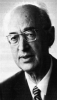 Otto Esser
-
1973 - 1977
Dr. Hanns Martin Schleyer (ePr)
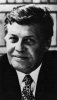 Dr. Hanns Martin Schleyer
-
1969 - 1973
Dr. Otto Andreas Friedrich (ePr)
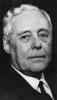 Dr. Otto Andreas Friedrich
-
1964 - 1969
Prof. Dr.-Ing. Siegfried Balke (ePr)
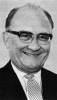 Prof. Dr.-Ing. Siegfried Balke
-
1954 - 1964
Dr. Hans Constantin Paulssen (ePr)
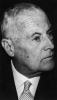 Dr. Hans Constantin Paulssen
-
1949 - 1954
Dr. Walter Raymond (ePr)
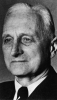 Dr. Walter Raymond
Former Chief Executive of the BDA
-
1996 - 2016
Dr. Reinhard Göhner (eHGF)
Dr. Reinhard Göhner
-
1989 - 1996
Dr. Fritz-Heinz Himmelreich (eHGF)
Dr. Fritz-Heinz Himmelreich
-
1974 - 1989
Dr. Ernst-Gerhard Erdmann (eHGF)
Dr. Ernst-Gerhard Erdmann
-
1963 - 1974
Dr. Wolfgang Eichler (eHGF)
Dr. Wolfgang Eichler
The Confederation of German Employers' Associations is the leading socio-political organisation for the entire German economy. It represents the social and economic policy interests of over 1 million companies with around 20 million employees.